Decoding Interlinks Between Assessment Feedback, Transaction Pathways, and Tiered Membership Frameworks Across Reel Platforms
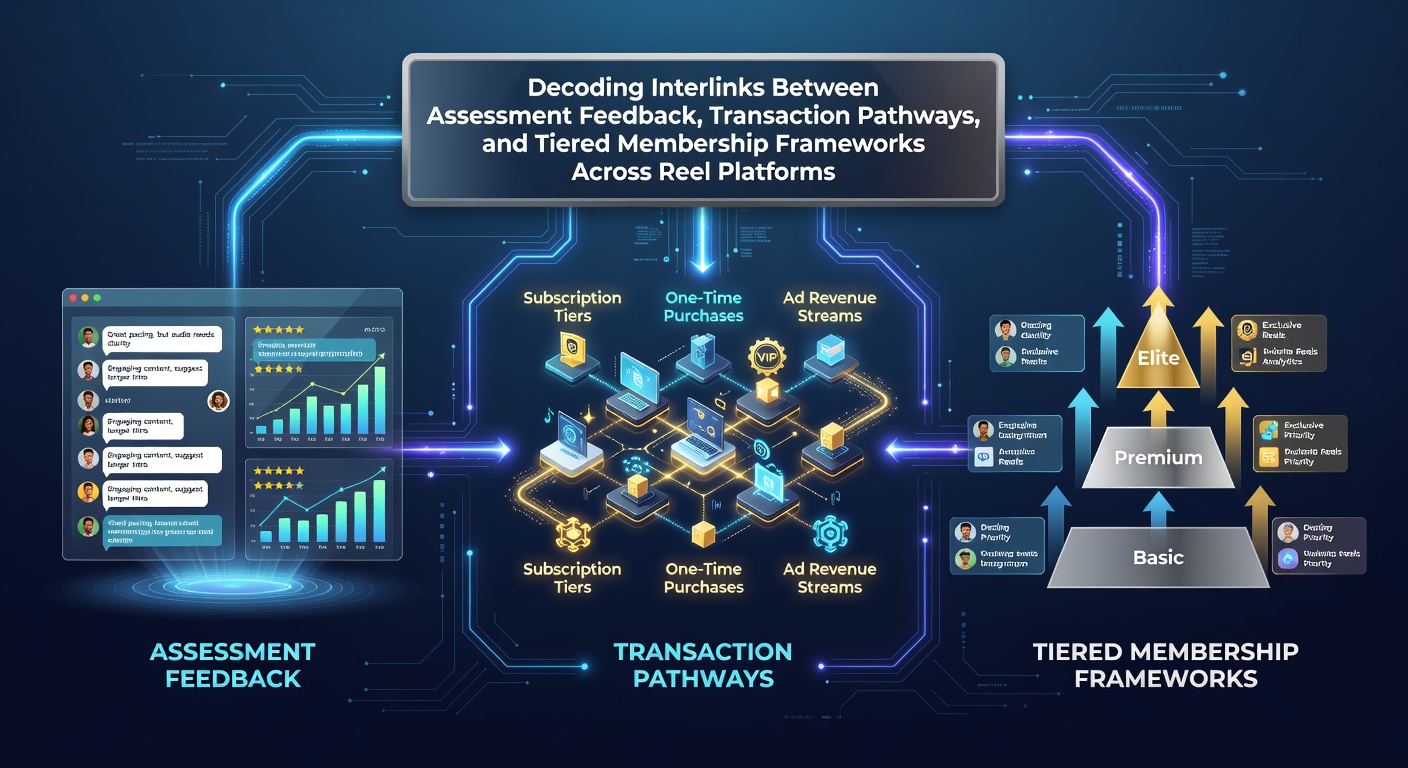
Reel platforms operate through tightly connected systems where assessment feedback shapes transaction pathways while both elements feed into tiered membership frameworks that determine player progression and reward structures. Observers note that these components do not function in isolation; instead data flows between them continuously as platforms collect ratings and comments that inform adjustments to payment processing speeds and loyalty level benefits. Researchers tracking platform operations have documented how feedback on deposit times directly influences the design of faster transaction routes for higher-tier members while lower tiers receive standard pathways until activity metrics improve.
Assessment Feedback Mechanisms on Reel Platforms
Assessment feedback arrives through structured review systems and in-platform rating tools that capture player experiences with game performance, support interactions, and financial transactions. Industry reports indicate that platforms aggregate this input to identify friction points such as delayed withdrawals or unclear bonus terms, then route the insights toward operational teams responsible for transaction infrastructure. Studies from gaming research institutions show that feedback volume tends to spike after major promotional events, creating datasets that administrators use to refine both payment options and membership criteria simultaneously. Those who analyze these patterns observe that negative comments about slow credits often prompt immediate testing of alternative e-wallet integrations while positive remarks about seamless deposits get highlighted in tier advancement communications.
Transaction Pathways and Their Operational Role
Transaction pathways encompass the sequence of deposit and withdrawal methods, processing times, verification steps, and currency handling procedures that platforms maintain across different player segments. Data from multiple regional operators reveals that pathways vary by membership tier, with elite levels accessing priority routing that bypasses standard queue times and receives dedicated fraud-monitoring resources. According to figures released by the American Gaming Association, transaction volume through preferred methods rises measurably once players reach mid-tier status because platforms automatically unlock reduced verification layers for those accounts. Observers further note that feedback collected on pathway performance loops back into system updates, allowing operators to retire underperforming options while expanding support for methods that receive consistently high satisfaction scores.
Tiered Membership Frameworks as Integration Points
Tiered membership frameworks assign players to progressive levels based on cumulative activity metrics that include deposit frequency, wager volume, and retention duration, with each level unlocking distinct transaction advantages and personalized support channels. Platform documentation shows that advancement criteria often incorporate weighted feedback scores so that players who provide constructive reviews may accelerate their progress alongside pure financial metrics. Research conducted by academic groups studying digital gambling ecosystems indicates that frameworks function as central nodes where feedback data and transaction records converge to generate eligibility lists for exclusive events and accelerated payout approvals. Those who monitor these systems point out that June 2026 updates across several major platforms introduced dynamic tier recalculation engines that refresh membership status weekly rather than monthly, tightening the connection between recent feedback and immediate transaction privilege adjustments.
Interconnections Across the Three Components
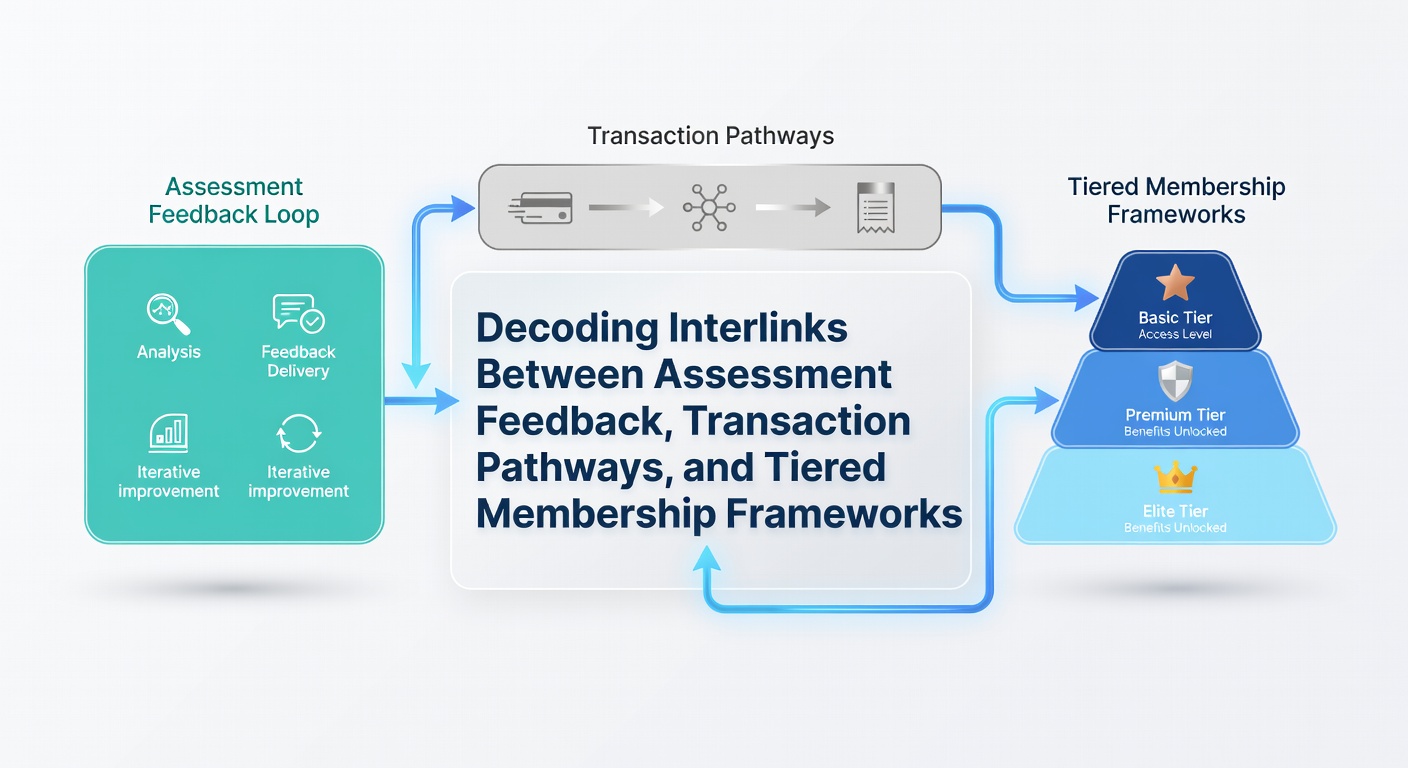
The interlinks become visible when platforms use assessment scores to calibrate transaction speed targets for each tier while simultaneously adjusting tier thresholds based on how efficiently pathways handle increased volumes. One documented approach involves routing high-volume players who submit detailed feedback into expedited verification lanes that reduce processing from days to hours, thereby reinforcing continued engagement and higher-tier retention. Industry analyses demonstrate that when transaction complaints decrease within a specific membership bracket, platforms respond by expanding similar pathway improvements to adjacent tiers, creating a ripple effect that elevates overall operational standards. External audits conducted by regulatory bodies in various jurisdictions confirm that these feedback-transaction-tier cycles operate under documented compliance protocols that require transparent reporting of how player input influences system changes.
Platform Data Trends Observed Through Mid-2026
Platform telemetry collected through the first half of 2026 shows measurable growth in cross-component integration, with operators deploying unified dashboards that display feedback trends alongside real-time transaction success rates segmented by membership tier. Figures compiled by international iGaming trade associations reveal that platforms maintaining the strongest feedback-to-transaction feedback loops achieve higher average player lifetime values because tier advancement feels more responsive to individual activity patterns. Those examining the datasets note that reel platforms emphasizing seamless pathway upgrades for feedback contributors experience reduced churn rates compared with operators that treat the three elements as separate operational silos. Regulatory filings from multiple jurisdictions further illustrate that transparent disclosure of these interconnections helps platforms meet evolving responsible gaming standards that require clear communication of how player data drives membership benefits.
Conclusion
The interlinks between assessment feedback, transaction pathways, and tiered membership frameworks form a continuous operational loop that reel platforms refine through ongoing data collection and system adjustments. Evidence from regulatory reports and industry metrics demonstrates that platforms treating these elements as interconnected rather than isolated achieve more consistent player progression and transaction reliability. As operators continue implementing integrated analytics tools, the relationships among feedback signals, payment efficiency, and membership advancement remain central to how reel platforms structure their services and maintain compliance across different regulatory environments.