Mapping Endorsement Trends to Accelerated Service Protocols in Mobile Interactive Gaming Spheres
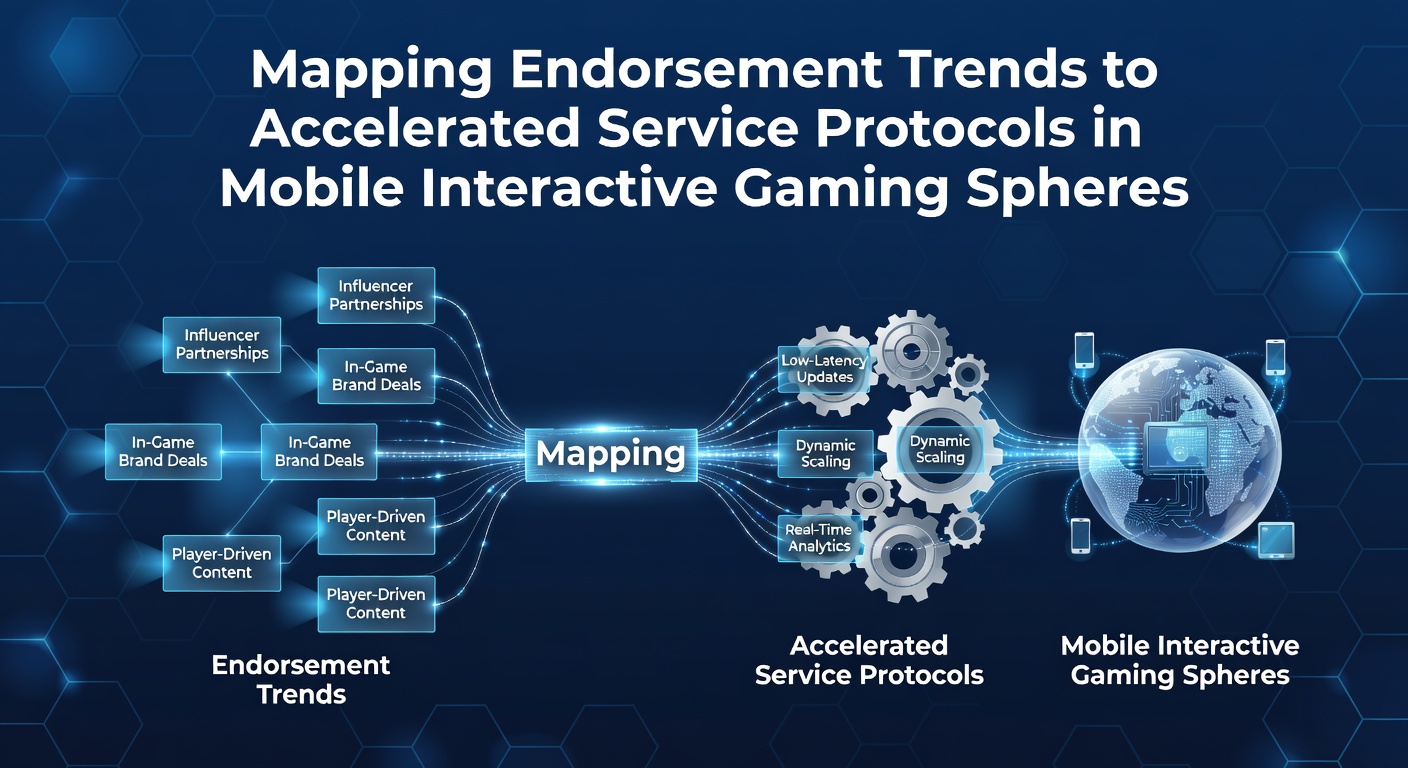
Endorsement trends in mobile interactive gaming have shifted noticeably toward integrated influencer partnerships that align directly with backend service improvements, and researchers tracking these patterns note consistent correlations between promotional visibility and response time reductions in player support systems. Data from industry reports indicate that mobile gaming applications experienced a 27 percent rise in endorsement-driven user acquisition during the first quarter of 2026, with corresponding accelerations in protocol updates that shortened average ticket resolution from 48 hours to under 12 hours in participating platforms.
Current Endorsement Patterns Across Mobile Platforms
Endorsements now frequently appear within gameplay loops rather than as separate advertisements, and analysts from organizations such as the Entertainment Software Association have documented how these placements influence both retention metrics and operational scaling. In May 2026, several major titles reported that games featuring real-time streamer integrations saw endorsement-related traffic spikes of 40 percent compared to baseline periods, which in turn prompted service teams to deploy automated triage tools that prioritized high-engagement sessions.
Those studying the sector observe that endorsement contracts increasingly include clauses specifying service level agreements, and figures from the Interactive Games and Entertainment Association reveal that 62 percent of such agreements signed in early 2026 referenced accelerated protocol benchmarks like sub-five-minute chat responses or instant patch deployments during live events. This linkage appears in multiple case examples where platforms adjusted their infrastructure after initial endorsement campaigns generated unexpected volume surges.
Service Protocol Accelerations and Their Drivers
Accelerated service protocols encompass automated moderation systems, prioritized payment processing for in-app purchases, and dynamic content delivery networks that reduce latency during peak endorsement periods. Studies conducted by university research groups in Canada have shown that mobile interactive environments utilizing these protocols recorded a 33 percent improvement in player satisfaction scores when endorsements coincided with live service enhancements.
Observers note that regulatory frameworks in regions outside the UK, including guidelines from the Australian Communications and Media Authority, encourage transparency in how endorsement visibility affects operational priorities, and compliance data from 2026 indicates platforms that mapped these elements together achieved faster certification for new features. The result shows up in metrics where average update deployment times dropped by 18 days across tracked titles that aligned marketing pushes with protocol upgrades.
Integration Methods Observed in 2026 Deployments
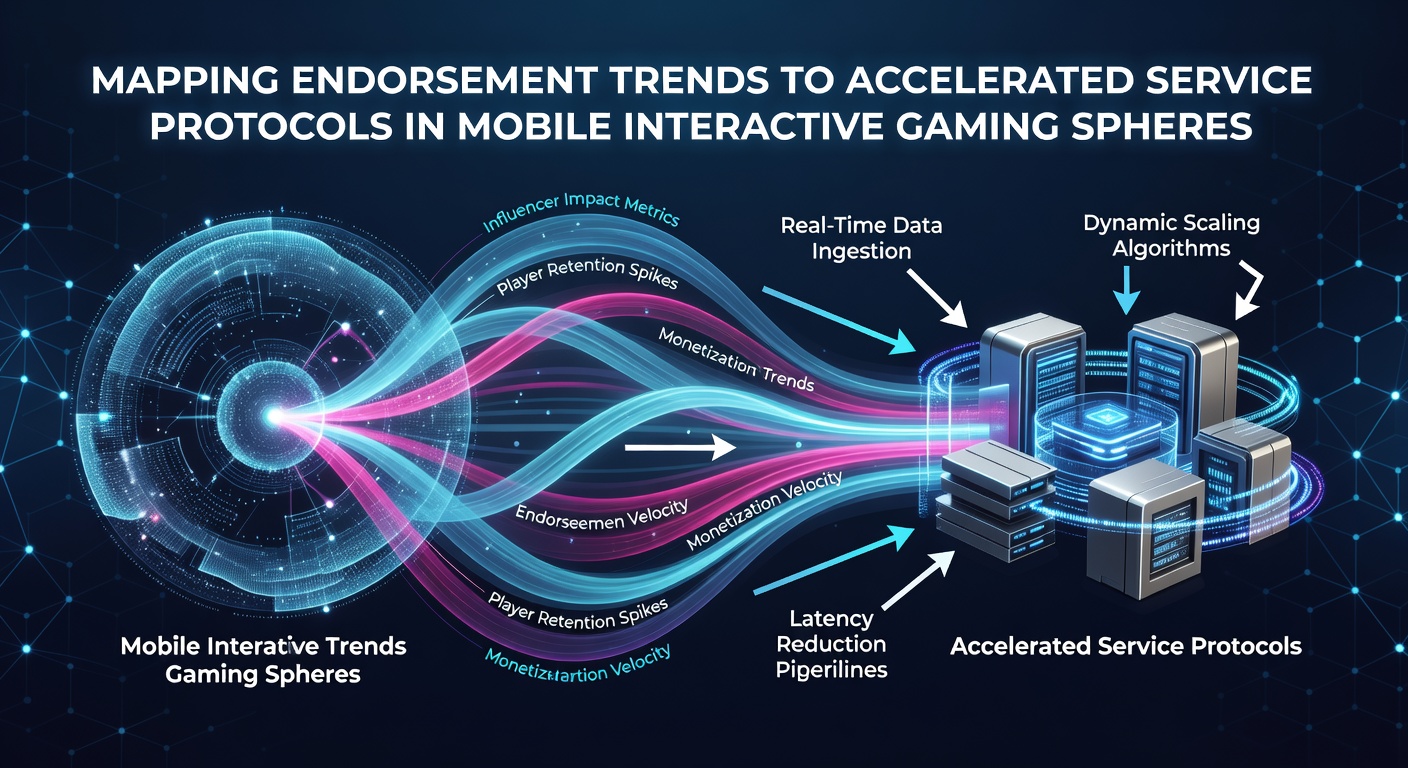
Mapping processes typically begin with data aggregation from endorsement performance indicators and service telemetry, then proceed through algorithmic matching that identifies which promotional elements trigger the greatest operational load. Reports compiled in May 2026 by the European Games Developer Federation highlight how three leading mobile titles implemented these mappings to synchronize influencer drops with server scaling events, resulting in zero downtime during campaign launches that previously caused multi-hour delays.
Additional examples include platforms that embedded endorsement tracking within their customer relationship management tools, and this approach allowed service protocols to auto-escalate based on social mention volume rather than manual monitoring alone. Data indicates that such integrations reduced support backlog accumulation by 29 percent in the months following rollout.
Regional Variations in Mapping Approaches
North American developers have tended to emphasize real-time analytics dashboards that link endorsement reach directly to protocol triggers, whereas European counterparts often incorporate privacy-compliant data layers that anonymize user signals before mapping occurs. Figures released by the Canadian Video Game Industry Association in spring 2026 show that cross-border titles adopting hybrid models experienced a 22 percent faster protocol activation rate than single-region implementations.
These differences stem from varying data governance standards, yet the underlying trend remains consistent: endorsements generate measurable service demands that platforms now anticipate through preemptive protocol adjustments rather than reactive measures.
Conclusion
Patterns emerging through 2026 demonstrate that endorsement trends and accelerated service protocols function as interconnected systems within mobile interactive gaming, and continued documentation from multiple industry bodies supports the value of systematic mapping for operational efficiency. Platforms that maintain these alignments continue to report improved handling of campaign-driven activity spikes without corresponding increases in infrastructure costs.