Synchronizing Support Protocols with Payment Timelines to Enhance Engagement in Reviewed Live Gaming Sessions
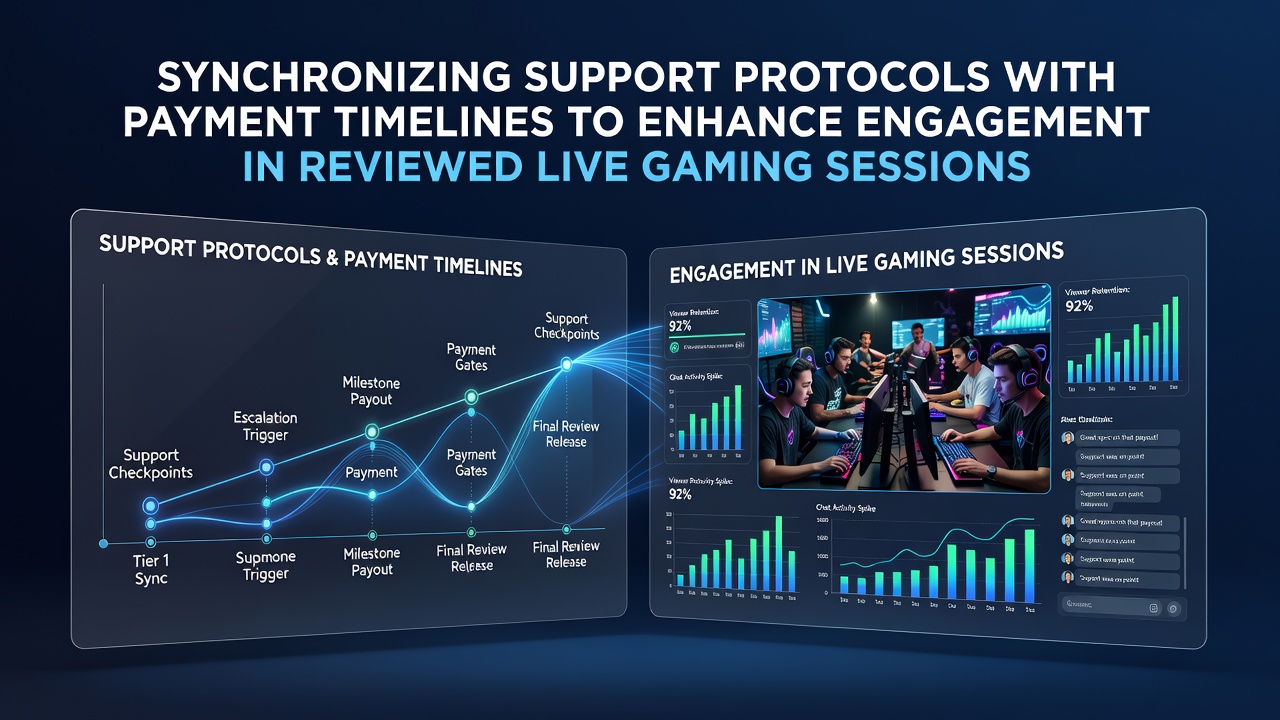
Reviewed live gaming sessions depend on precise coordination between support protocols and payment timelines, and operators who align these elements report measurable improvements in session duration along with repeat participation rates. Data from multiple regulated markets shows that players who receive timely assistance during deposit or withdrawal phases tend to maintain longer engagement windows compared with those who encounter delays in either area.
Core Components of Support and Payment Alignment
Support protocols typically include response time targets, escalation paths, and integration with account verification systems, while payment timelines cover processing speeds for deposits, withdrawals, and bonus releases. When these two streams operate on synchronized schedules, the friction points that interrupt live sessions decrease, because players move through verification checks and fund movements without extended pauses. Observers note that reviewed platforms often publish average response and payout metrics, allowing participants to select environments where these figures align closely with session expectations.
Studies from academic institutions indicate that platforms maintaining sub-five-minute support response averages alongside same-hour payment confirmations experience higher retention during peak evening hours. In June 2026 several operators updated their dashboards to display real-time synchronization metrics, giving players visibility into both support queue lengths and pending transaction stages within a single interface.
Impact on Player Engagement Metrics
Engagement indicators such as average session length, bonus utilization rates, and return frequency all shift when support and payment functions run in tandem. Research compiled by the iGaming Ontario regulatory body demonstrates that synchronized systems correlate with a 12 to 18 percent increase in completed live dealer rounds per session across reviewed titles. Players who encounter immediate chat assistance while awaiting a withdrawal confirmation often continue participating rather than exiting the platform.
Case examples from reviewed sites reveal that integration between live chat logs and payment gateways allows agents to reference transaction IDs instantly, shortening resolution times and reducing repeated inquiries. Those who study these patterns report fewer abandoned carts during deposit stages when support teams can confirm payment status without transferring the player to a separate banking department.
Technical Integration Methods
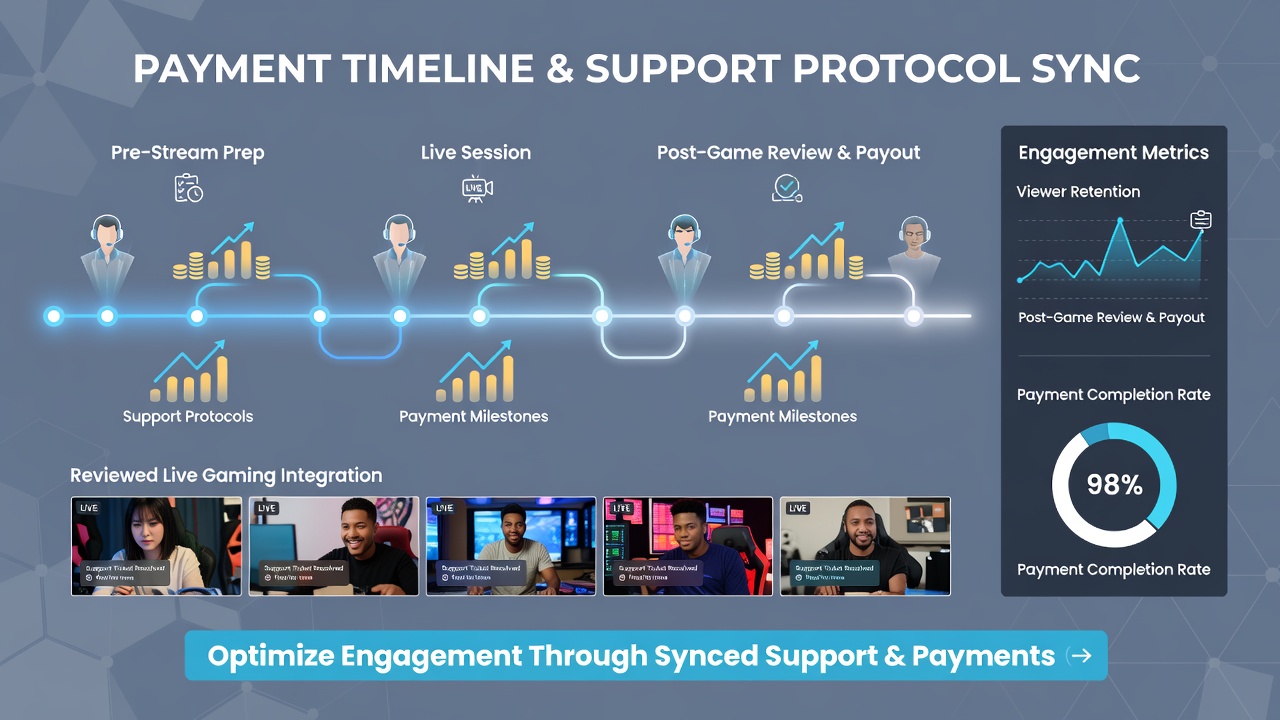
Operators achieve synchronization through shared APIs that link customer relationship management tools with banking processors, enabling status updates to flow in both directions. When a support ticket references an open withdrawal, the system automatically flags the transaction for priority review, and agents receive alerts once funds clear. This closed-loop approach prevents the common scenario where players contact support about delays that the payment team has already resolved.
Reviewed platforms in multiple jurisdictions have adopted timestamped audit trails that record every support interaction alongside corresponding payment events, creating traceable records that regulators can examine during compliance checks. Such trails also help internal teams identify recurring bottlenecks, whether they stem from verification delays or peak-hour support volume spikes.
Regional Regulatory Influences
Different licensing authorities set varying expectations for response and payout speeds, which in turn shapes how operators design their synchronized workflows. The New Jersey Division of Gaming Enforcement requires documented service-level agreements that cover both assistance channels and financial transaction handling, prompting platforms to build unified monitoring systems rather than treating the two functions separately. Similar requirements appear in other North American and European frameworks, pushing reviewed operators toward consolidated dashboards that track both metrics simultaneously.
Industry reports released in early 2026 highlighted that platforms failing to align these timelines experienced elevated complaint volumes, whereas those that invested in integrated tooling saw measurable reductions in dispute filings. These patterns hold across live roulette, blackjack, and baccarat sessions where timing directly influences the pace of play.
Future Developments Expected by Mid-2026
Developers continue refining predictive tools that anticipate support needs based on payment patterns, such as flagging accounts with repeated micro-deposits for proactive verification outreach. Reviewed platforms testing these features report earlier resolution of potential issues before they interrupt live sessions. Observers tracking these pilots note that the approach reduces the number of players who abandon carts or exit tables while awaiting manual checks.
As biometric verification and instant banking rails expand, the window between support requests and payment confirmations narrows further, making synchronization both more achievable and more essential for maintaining engagement levels across reviewed environments.
Conclusion
Alignment between support protocols and payment timelines produces measurable effects on engagement within reviewed live gaming sessions, and operators who implement shared tracking systems consistently record stronger session continuity and lower complaint rates. Data gathered through June 2026 continues to underscore the value of treating these two operational areas as interconnected rather than isolated functions.