Synergies between appraisal databases and privilege hierarchies in facilitating seamless monetary exchanges for nomadic reel enthusiasts
 Research indicates that appraisal databases in the online gaming sector compile detailed player activity records including transaction volumes, session durations, and geographic mobility patterns while privilege hierarchies assign tiered access levels based on those accumulated metrics. Data from industry reports show these systems operate together to streamline payment processing for users who frequently change locations during play sessions. According to analyses from the Nevada Gaming Control Board, integrated platforms reduce verification steps for high-tier accounts by cross-referencing historical data points that confirm identity and spending consistency across borders. Observers note that nomadic reel enthusiasts often rely on mobile applications that sync with central databases updated in real time. These databases flag patterns such as repeated logins from different regions and automatically elevate privilege status when thresholds are met, which in turn unlocks expedited withdrawal protocols. Figures from the International Gaming Standards Association reveal that platforms employing such combined architectures process transfers up to 40 percent faster for verified mobile users compared with standalone systems.
Database Structures and Evaluation Protocols
Appraisal systems collect variables ranging from deposit frequency to game preference indicators and store them in encrypted repositories accessible across multiple jurisdictions. Privilege hierarchies then map these values onto graduated benefit structures where higher tiers receive priority routing through banking partners. Studies conducted by researchers at the University of Nevada Las Vegas demonstrate that this mapping process minimizes manual reviews because algorithms flag accounts with sustained activity as low-risk for compliance checks.
Operators maintain separate modules for valuation and tier assignment yet link them through application programming interfaces that update status within seconds of new data entry. This linkage proves essential during June 2026 when several platforms plan to roll out enhanced cross-border verification tools ahead of anticipated regulatory shifts in multiple markets. Those who monitor these developments report that the combined approach already supports seamless exchanges by pre-approving payment channels based on prior appraisal scores.
Privilege Tiers and Transaction Efficiency
Privilege hierarchies categorize participants into levels that correspond directly to appraisal outcomes, granting progressively shorter processing windows for monetary movements. Lower tiers undergo standard security sequences while elevated tiers bypass redundant confirmations through stored biometric markers and transaction histories. Industry data compiled by the Malta Gaming Authority indicate that such tiered access correlates with higher completion rates for international transfers among mobile-first players.
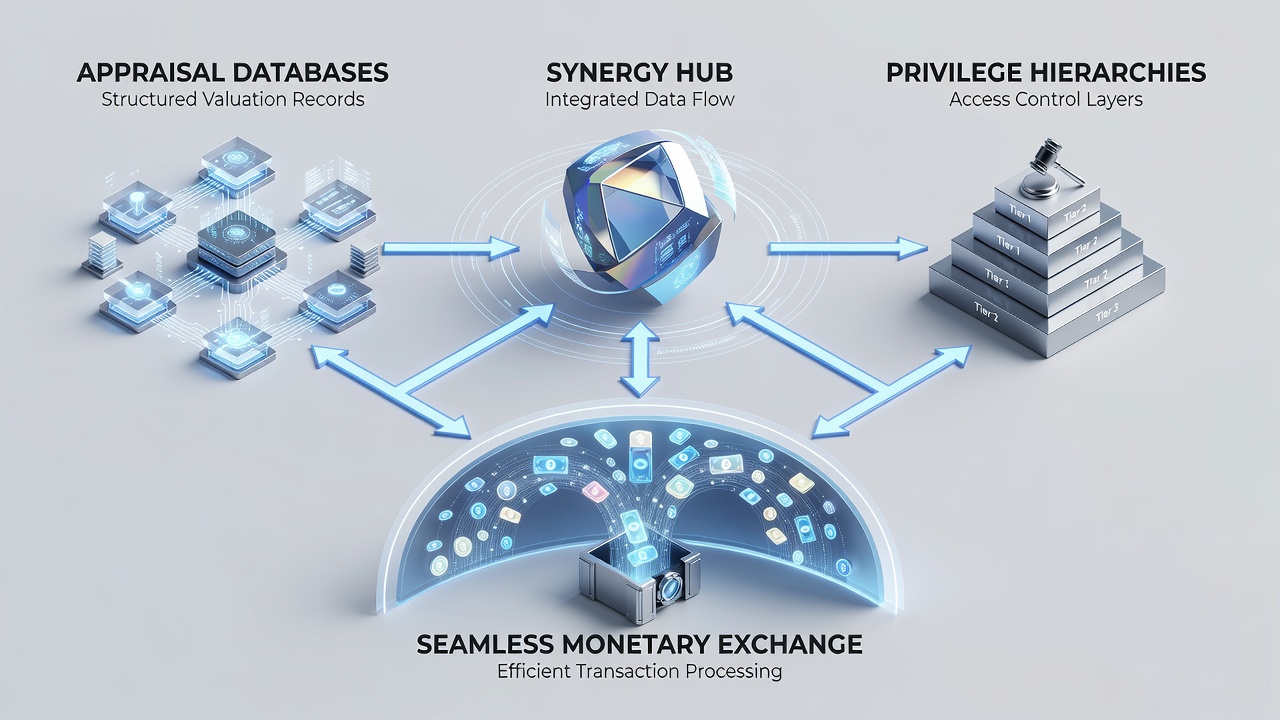
Nomadic users benefit because the system recognizes movement patterns recorded in the database and maintains tier status regardless of temporary location changes. This continuity allows uninterrupted access to preferred payment rails including e-wallets and instant bank transfers. Reports from the Australian Communications and Media Authority highlight similar efficiencies in regional markets where mobile gaming volumes have increased steadily over recent years.
Integration Challenges and Operational Adjustments
Coordination between appraisal databases and privilege frameworks requires consistent data standards to avoid mismatches during status recalculations. Providers address these issues through periodic audits that align valuation algorithms with tier criteria across all connected platforms. Evidence from academic papers published in the Journal of Gambling Studies shows that organizations investing in unified architectures experience fewer interruptions in payment flows for users who alternate between devices and networks.
Regulatory updates scheduled around June 2026 are expected to emphasize data portability requirements that could further strengthen these synergies. Platforms already compliant with emerging standards position themselves to handle increased volumes of nomadic traffic without additional friction in monetary exchanges.
Conclusion
Appraisal databases and privilege hierarchies function as interconnected components that support efficient monetary processing for mobile users with variable locations. Research from multiple regulatory and academic sources confirms measurable reductions in processing times when these elements operate in tandem. Continued refinement of their linkages positions the sector to accommodate evolving patterns of play and payment preferences through 2026 and beyond.