Temporal rhythms in reward ecosystems: linking session durations to prize escalations, membership privileges, and transfer velocities across portable interactive dealer environments
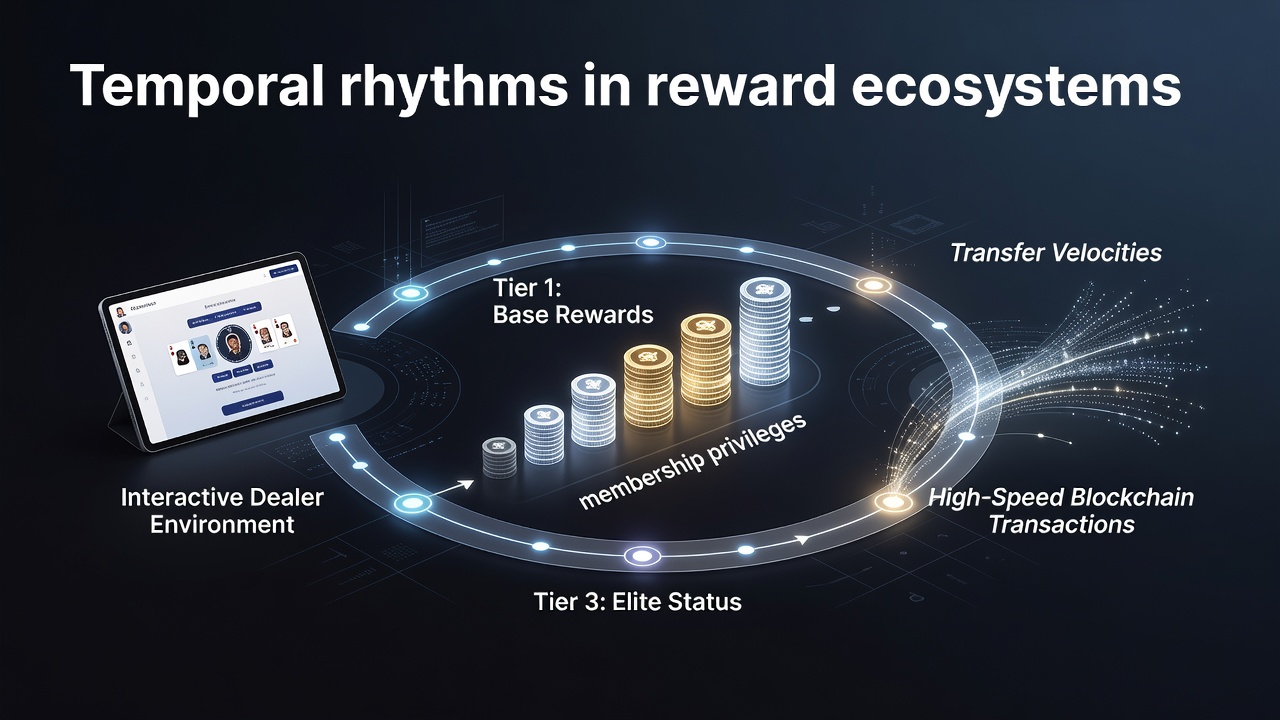
Portable interactive dealer environments operate through mobile applications that connect users to real-time table games, and these platforms display measurable connections between session length and reward progression according to industry tracking data. Observers note that extended continuous play periods often coincide with incremental prize multipliers, tiered membership benefits, and accelerated fund movement options in systems designed for handheld devices.
Session Durations and Prize Escalation Patterns
Data from platform analytics reveal that sessions exceeding 45 minutes frequently trigger automated prize scaling mechanisms, where base rewards increase by fixed percentages at timed intervals. Researchers tracking these systems across multiple operators have documented how initial 15-minute blocks establish baseline engagement metrics, after which algorithms apply progressive multipliers that compound with each additional quarter-hour of activity. This structure appears in live dealer formats where card and roulette tables update reward tables dynamically based on cumulative user presence.
Analyses conducted through 2025 into early 2026 indicate consistent application of these rhythms across Android and iOS deployments, with operators adjusting escalation thresholds according to regional regulatory frameworks. In June 2026, updates from the Nevada Gaming Control Board highlighted monitoring protocols that require disclosure of these duration-linked features in mobile application descriptions, ensuring transparency around how extended sessions influence prize outcomes without altering game mechanics themselves.
Membership Privileges Tied to Temporal Engagement
Membership programs within these ecosystems assign privilege levels partly through accumulated session metrics, where sustained activity across consecutive days grants access to faster support channels and exclusive table variants. Studies from the University of Nevada, Las Vegas gaming research division show that users reaching 10-hour monthly thresholds receive automated status elevations, unlocking reduced minimum bet requirements and priority dealer assignments during peak hours. These privileges scale linearly with documented play duration rather than isolated transaction volumes.
Platform operators implement tier progression through backend tracking that logs session start and end timestamps, converting total minutes into eligibility points. One documented case involved a European operator that adjusted its loyalty matrix in response to 2025 user behavior reports, resulting in privileges activating at 30-minute increments instead of daily totals. Such adjustments maintain compliance with varying jurisdictional standards while preserving the underlying temporal linkage.
Transfer Velocities Across Mobile Channels
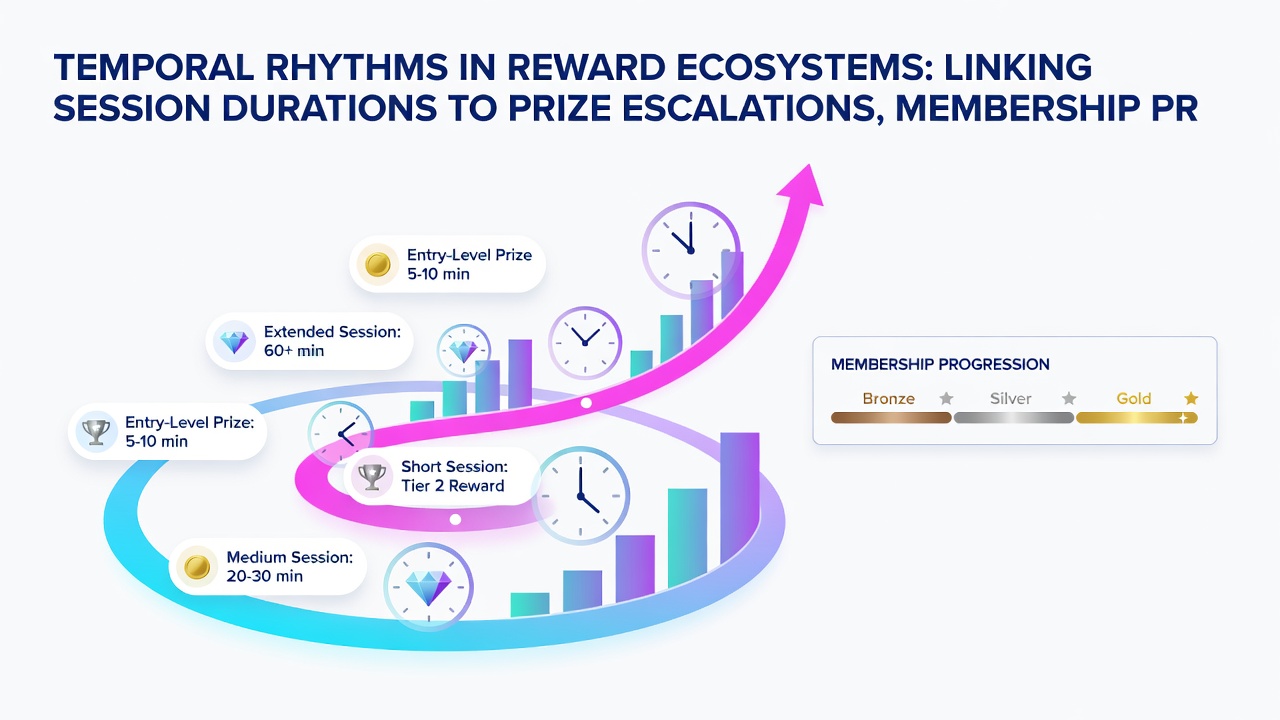
Fund transfer speeds in these environments correlate with cumulative session duration, as longer verified activity periods reduce processing queues for both deposits and withdrawals. Industry reports compiled by the Canadian Gaming Association indicate that accounts maintaining average sessions above 60 minutes process e-wallet transfers in under two minutes on average, compared with standard queues that extend to five minutes for shorter engagements. This velocity differential stems from risk-scoring models that assign lower scrutiny flags to sustained participants.
Portable device constraints influence these velocities through optimized API connections that prioritize established session histories, allowing seamless integration with banking partners. Observers tracking cross-border operations note that Australian regulatory guidelines implemented in 2025 require operators to publish average transfer times segmented by session length categories, providing users with clear benchmarks for expected processing durations.
Integration Across Portable Dealer Platforms
Live dealer applications synchronize these temporal elements through unified dashboards that display real-time session counters alongside current privilege status and projected transfer estimates. Developers embed these features into core interfaces so that users receive visual cues when duration thresholds approach, prompting continued engagement without external prompts. Cross-platform consistency ensures that session data migrates between devices when users switch from tablet to smartphone mid-session.
Regulatory filings from the Singapore Casino Regulatory Authority in mid-2026 emphasize the need for clear separation between game outcomes and reward timing systems, preventing any implication that session length alters random number generation or dealer results. Compliance documentation shows operators maintaining separate logging for temporal metrics to support audits while preserving operational fluidity on mobile networks.
Conclusion
Temporal rhythms in these reward ecosystems function through documented correlations between play duration, prize scaling, membership advancement, and transaction processing speeds. Platform data across multiple regions demonstrate consistent application of these linkages within portable interactive dealer environments, supported by regulatory disclosures and academic tracking studies. As mobile infrastructure evolves, these patterns continue to shape operational frameworks without modifying underlying game probabilities.