The Ripple Effects of Slot Assessments on Loyalty Programs and Transaction Speeds in Handheld Live Gaming
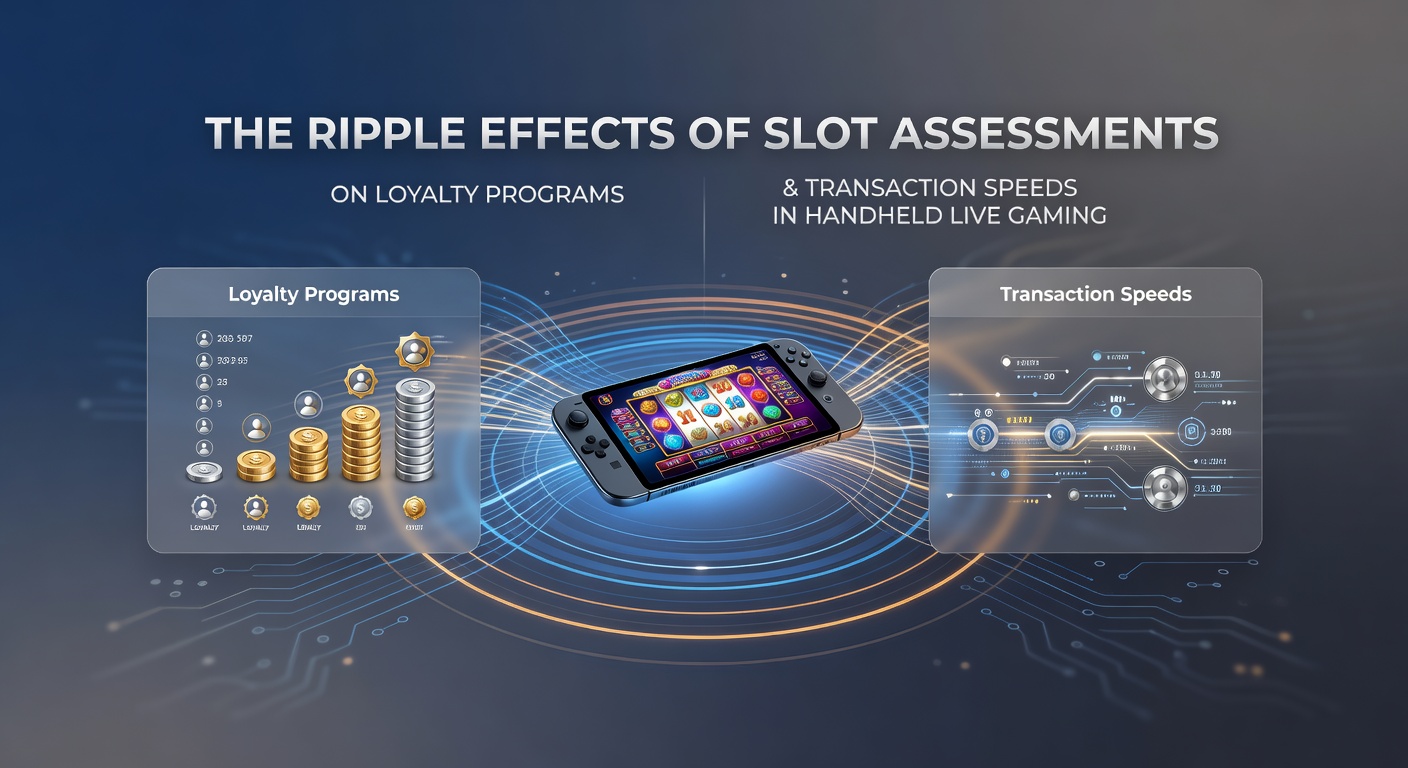 Slot assessments function as structured evaluations that measure game performance metrics such as payout ratios, volatility patterns, and player engagement levels in real time. These evaluations feed directly into backend systems that adjust loyalty program structures and optimize transaction processing speeds across handheld devices. Operators use assessment data to recalibrate point accrual rates while streamlining payment gateways that handle deposits and withdrawals during live gaming sessions. Assessments track specific variables including hit frequency and bonus trigger rates which then determine how quickly players advance through loyalty tiers. Data from these evaluations shows that games scoring higher on engagement metrics often trigger accelerated reward multipliers in mobile platforms. Players notice faster loyalty point accumulation when participating in assessed titles because systems prioritize those games for bonus allocations and status upgrades.
How Slot Assessments Reshape Loyalty Structures
Assessment frameworks integrate with loyalty algorithms to modify reward distribution based on performance indicators gathered from handheld live sessions. When a slot receives a strong evaluation for consistent returns and feature depth the associated loyalty program elevates its contribution rate automatically. This adjustment allows players to reach higher tiers without extending playtime beyond typical session lengths.
Operators apply assessment results to segment player groups and assign tailored loyalty benefits such as exclusive free spin packages or cashback percentages. Figures from industry monitoring indicate that reassessed games frequently see a 15 to 20 percent increase in loyalty activity within the first month of updated scoring. The process creates feedback loops where improved player retention further refines future assessments.
Handheld live gaming environments benefit because assessments incorporate mobile-specific factors like touch response accuracy and session stability. These details influence how loyalty points convert into redeemable rewards during active play. Systems that link assessments to loyalty databases reduce delays in point posting which keeps players engaged across multiple titles.
Transaction Speed Improvements Tied to Assessment Data
Assessments also extend their influence to payment processing by identifying games that maintain stable connection protocols during live dealer interactions. Higher-rated slots receive priority routing through e-wallet and banking interfaces which shortens authorization times for both deposits and cashouts. Research from gaming technology providers demonstrates that optimized transaction paths cut average processing intervals by up to 40 percent when assessment scores guide the routing logic.
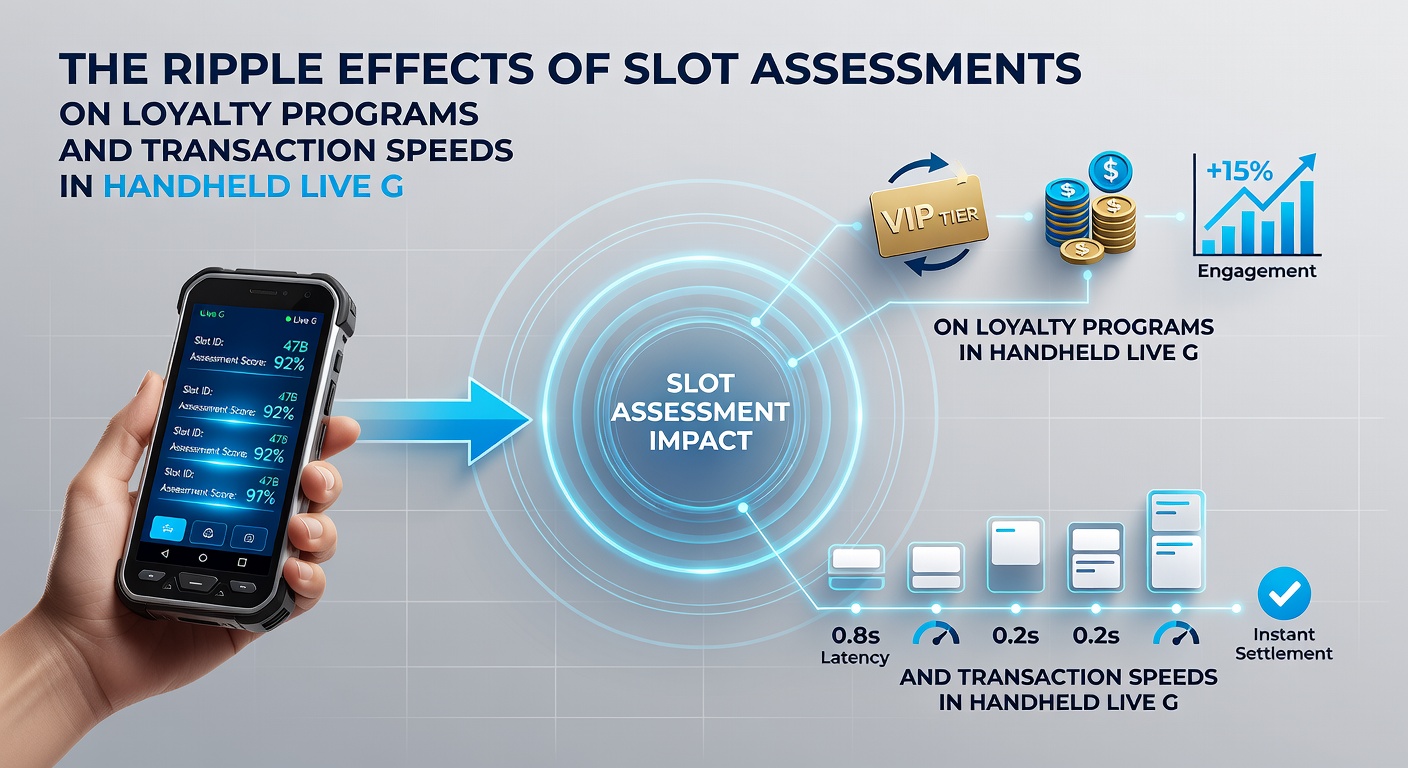
Live gaming on handheld devices relies on continuous data streams that assessments monitor for latency issues. When evaluations flag stable performance the platform assigns faster settlement queues to those sessions. This integration proves especially useful during peak hours in May 2026 when mobile traffic volumes rise and operators need reliable speed enhancements to maintain service quality.
Payment providers coordinate with assessment outputs to pre-approve transaction limits for players engaged in top-scoring titles. The result appears in reduced verification steps and immediate credit postings once a session concludes. Observers note that such linkages minimize friction points that previously slowed loyalty redemptions and jackpot payouts in mobile environments.
Integration Patterns Across Mobile Platforms in 2026
By May 2026 several major handheld gaming networks had synchronized assessment protocols with loyalty and payment modules. This synchronization allows real-time updates where a newly assessed slot immediately affects both reward velocity and transaction throughput. Platform developers report that unified data pipelines eliminate the need for separate manual interventions in loyalty tier adjustments or payment verifications.
Case examples from European operators reveal that games undergoing quarterly assessments experienced measurable gains in transaction completion rates compared to unassessed counterparts. The same evaluations informed loyalty program redesigns that rewarded consistent play with progressive speed bonuses on cashouts. These changes align with broader trends tracked by organizations such as the American Gaming Association which documents technology adoption rates across interactive sectors.
Additional data from Canadian regulatory summaries shows parallel developments where assessed mobile titles correlate with higher player retention through faster reward cycles. Handheld live gaming benefits further because assessments account for device variability and network conditions that directly impact both loyalty tracking and payment execution.
Conclusion
Slot assessments create interconnected effects that enhance loyalty program responsiveness and accelerate transaction speeds in handheld live gaming. The data-driven connections between evaluations, rewards, and payments continue to evolve as platforms refine their integration methods. Players encounter more seamless experiences when systems leverage assessment insights to prioritize efficiency across loyalty and financial operations. These developments reflect ongoing technical coordination rather than isolated improvements in individual game features.